Real stories, Real People, Real Impacts
Dive into the heart of global crises and see how foreign aid makes a difference. From natural disasters to conflicts, explore compelling case studies that reveal the true nature of international assistance.

Russia-Ukraine
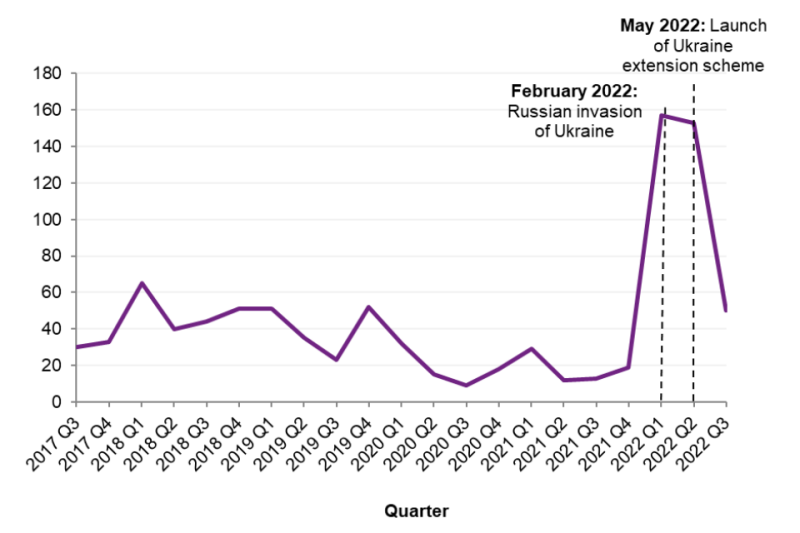
Foreign aid provides a vital lifeline during wars, disasters, and pandemics. For example, support from the UK, USA, and European countries to Ukraine has delivered military, medical, and humanitarian assistance, helping civilians survive conflict. Aid also includes refugee support, such as the UK assisting those fleeing Ukraine since 2022. Delivered through alliances like NATO and international agreements, aid can reach billions in funding, supporting healthcare, reconstruction, and long-term recovery.

The African Continental Corruption
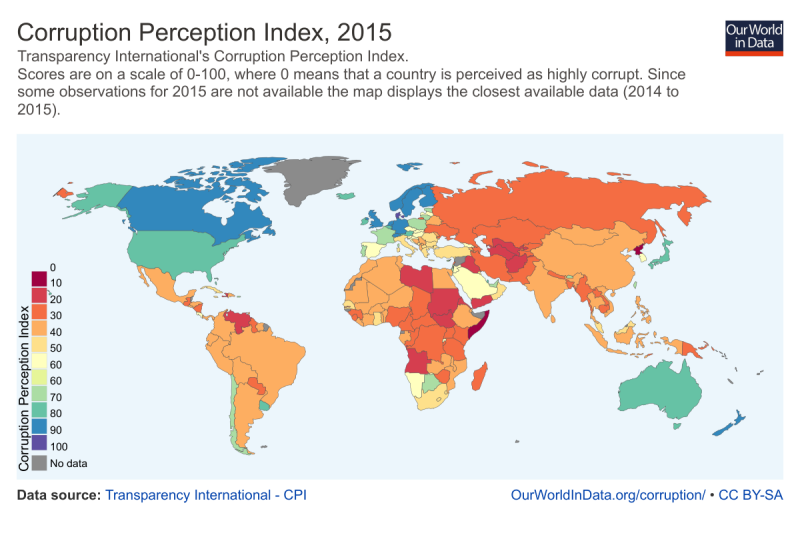
Foreign aid involves more than funding—it requires effective systems and accountability. In some African countries, weak oversight has led to corruption through inflated contracts, ghost workers, and bribery, as seen in Nigeria and Kenya. This reduces service quality, increases inequality, and delays development. Despite receiving large amounts of aid, many countries remain poor and vulnerable, with high corruption levels. This suggests aid can be misused, sometimes creating dependency and limiting long-term progress instead of improving quality of life.
The Ripple Effect of the Nepal Earthquake 2015
After the 2015 Nepal earthquake, aid was provided by governments including India, China, and the United States, alongside organizations like the United Nations and World Bank.
Assistance funded emergency relief, healthcare, housing reconstruction, and infrastructure rebuilding.
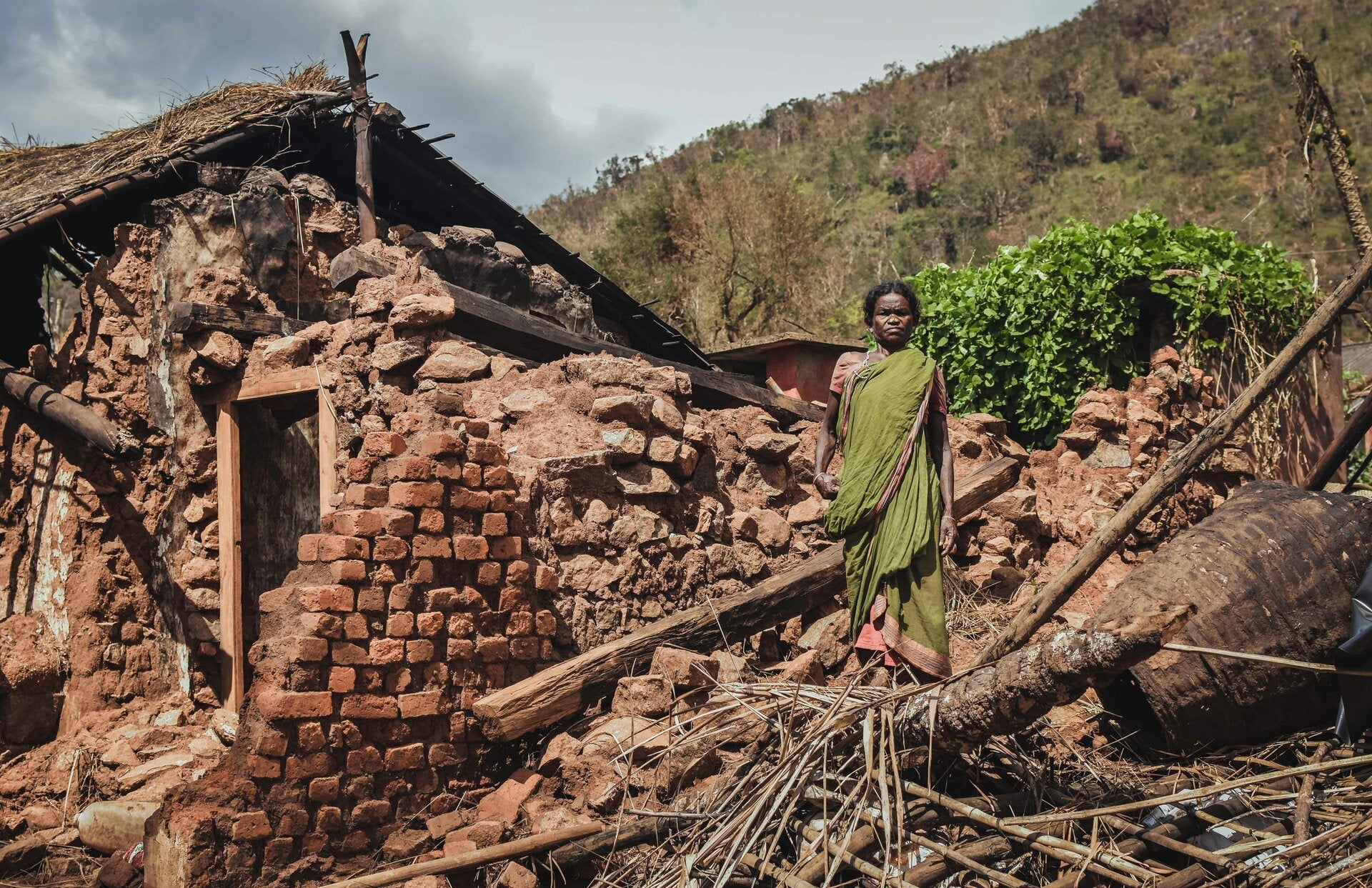
However, socioeconomic disparities affected distribution, with rural, low-income, and marginalized groups facing barriers such as poor access, weak governance, and corruption. This led to uneven recovery, prolonged displacement, increased poverty, and greater dependence on external support again further adding to the pattern of aid dependency.