Beyond the handouts: the true cost of aid
Foreign aid is more than just money or supplies; it's a complex web of interactions shaping nations. Discover how aid impacts both receiving and giving countries – from economic shifts to geopolitical alliances and environmental changes. We break down the real gains and losses for a clearer understanding.
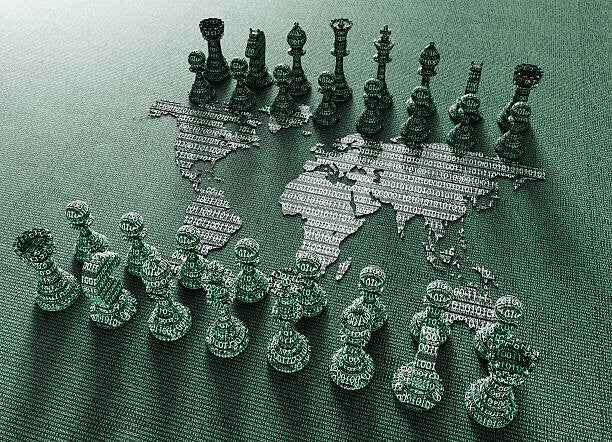
Geopolitical chessboard: The Power of Aid
Foreign Aid has many agendas some are good and reach the intended population, some are of selfish motive and simply dont.
Foreign aid often shapes international relations, forging military, resource and trading alliances. Foreign aid schemes are notorious for strengthen existing alliances and agendas whilst creating opportunies for new ones to arise, in short whether good or ill intentioned aid is Global Business.
Powerful countries continue influencing power dynamics and market shares world-wide. It can be viewed from a Geopolitical perspective as countries doing business by trading resource access, currency and power.
Most of the time this is disguised as charity, when in reality its a contract. Scratch my back and ill scratch yours agenda. Not all aid is simply business, as a large portion of foreign aid does reach people and can help in times of crisis for many nations with good examples being post natural disaster and during war crisis.

Economics of Aid: debt, grants & markets
While financial grants offer crucial support to countries in economic or trading crisis, foreign aid can also lead to significant debt for recipient nations.
Understanding the balance between immediate relief and long-term economic implications is a fine line laced in legislation and contracts between countries, Military alliances and UN agreements.
Most big corporate empires have stakes and market shares in most countries round the globe this has many knock effects seen more severely in smaller or economically poorer countries including impacts on market shares, corporate contracts, housing and land ownership.
Many political parties have stakes support and indorsements with big corporate meaning that their intentions can be swayed and may not be pure 100% of the time, this can lead to miss use of foreign aid and manipulation of agreements, legislation and contracts between recipient and doner countries away from both countries own best interests.


Democracy and Dictatorship
Foreign aid from democratic donors to authoritarian recipients is complex, balancing humanitarian goals with political risks, as aid may support development while sometimes reinforcing existing power structures potentially leading to miss use of the aid away from the needs of the populations.
This creates an Aid loop. Creating more debt for the country and more miss sue of foreign aid.
This is ever present in authoritarian countries as if the foreign aid receives was being used properly there would be no need to receive any more foreign aid as it would have been used correctly to solve its humanitarian issues. although it is easier for this to happen as the dictatorship relives less of votes and public view compared to democratic countries afraid of revolution and voting to stay in power aka, pleasing the people. Its a cycle that seems never ending in most of the non big western counties like USA, UK and large parts of Europe